
Regular health screenings are essential for maintaining overall well-being. Many health conditions, including diabetes, high blood pressure, thyroid disorders, and heart disease, often develop without noticeable symptoms in the early stages. A full body checkup helps detect these issues early, allowing timely treatment and better health outcomes.
If you are planning a full body checkup in Siliguri, understanding the tests included can help you make informed healthcare decisions and take proactive steps toward a healthier future.
What Is a Full Body Checkup?
A full body checkup is a comprehensive medical examination that evaluates the functioning of major organs and body systems. It combines laboratory tests, physical assessments, and diagnostic screenings to identify potential health concerns before they become serious.
A routine health checkup in Siliguri is particularly beneficial for:
- Adults above 30 years of age
- Individuals with a family history of chronic diseases
- Smokers and tobacco users
- People with sedentary lifestyles
- Individuals with obesity
- Patients with diabetes, hypertension, or thyroid disorders
The primary goal is early detection and prevention, helping individuals maintain good health and reduce future medical risks.
Why Is a Full Body Checkup Important?

Many serious diseases progress silently and may not show symptoms until they reach an advanced stage. Regular health screenings can identify risk factors and early signs of illness, making treatment more effective.
Benefits of a Full Body Checkup
- Early detection of diseases
- Monitoring existing health conditions
- Assessment of chronic disease risks
- Timely medical intervention
- Better treatment outcomes
- Encouragement of healthier lifestyle choices
- Peace of mind regarding overall health
Scheduling a full body checkup in Siliguri once a year can help you stay informed about your health and take preventive action when necessary.
Common Tests Included in a Full Body Checkup
Quick Overview of Common Tests
| Test | Purpose |
|---|---|
| Complete Blood Count (CBC) | Detects infections, anemia, and blood disorders |
| Blood Sugar Tests | Screens for diabetes and prediabetes |
| Lipid Profile | Assesses cholesterol levels and heart disease risk |
| Liver Function Test | Evaluates liver health |
| Kidney Function Test | Assesses kidney performance |
| Thyroid Profile | Monitors thyroid hormone balance |
| Urine Analysis | Detects infections and kidney issues |
| ECG | Evaluates heart rhythm and function |
| Blood Pressure Check | Screens for hypertension |
| Vitamin & Mineral Tests | Identifies nutritional deficiencies |
| Chest X-Ray | Evaluates lungs and heart |
| Ultrasound Scan | Assesses abdominal organs |
Complete Blood Count (CBC)
A Complete Blood Count is one of the most important tests included in a health screening package.
What Does It Measure?
- Red blood cells (RBC)
- White blood cells (WBC)
- Hemoglobin levels
- Platelet count
- Hematocrit levels
Why Is It Important?
A CBC helps detect:
- Anemia
- Infections
- Inflammatory conditions
- Immune system disorders
- Certain blood-related diseases
Abnormal blood counts often provide early clues about underlying health concerns that may require further evaluation.
Blood Sugar Tests
Blood sugar tests assess how effectively your body regulates glucose.
Common Tests Include:
- Fasting Blood Sugar (FBS)
- Postprandial Blood Sugar (PPBS)
- HbA1c
These Tests Help Detect:
- Prediabetes
- Type 1 Diabetes
- Type 2 Diabetes
- Long-term blood sugar control issues
Early diagnosis is important because uncontrolled diabetes can affect the heart, kidneys, eyes, and nerves.
Lipid Profile Test
A lipid profile measures different types of fats in the bloodstream and evaluates cardiovascular health.
Components Include:
- Total Cholesterol
- LDL Cholesterol
- HDL Cholesterol
- Triglycerides
- VLDL Cholesterol
Why Is It Important?
This test helps assess the risk of:
- Heart disease
- Stroke
- Blocked arteries
- High cholesterol-related complications
Maintaining healthy cholesterol levels can significantly reduce cardiovascular risks.
Liver Function Test (LFT)
The liver performs essential functions such as metabolism, detoxification, and nutrient storage.
Parameters Evaluated:
- ALT
- AST
- Bilirubin
- Alkaline Phosphatase (ALP)
- Albumin
- Total Protein
Conditions It Can Detect:
- Fatty liver disease
- Hepatitis
- Liver infections
- Liver inflammation
- Alcohol-related liver damage
Regular screening helps identify liver issues before they become severe.
Kidney Function Test (KFT)
Kidneys help remove waste products and maintain fluid balance in the body.
Common Parameters Tested:
- Serum Creatinine
- Blood Urea Nitrogen (BUN)
- Uric Acid
- eGFR
- Electrolytes
Why Is It Important?
A kidney function test can help identify:
- Chronic kidney disease
- Reduced kidney function
- Kidney infections
- Dehydration-related complications
People with diabetes and hypertension should undergo regular kidney health assessments.
Thyroid Function Test
The thyroid gland regulates metabolism, energy production, and hormone balance.
Common Tests Include:
- TSH
- Free T3
- Free T4
Conditions Detected:
- Hypothyroidism
- Hyperthyroidism
- Hormonal imbalances
Common symptoms of thyroid disorders include fatigue, weight changes, hair loss, mood changes, and irregular menstrual cycles.
Urine Analysis
Urinalysis is a simple yet highly effective diagnostic test that provides insights into kidney health and overall body function.
It Evaluates:
- Protein levels
- Glucose levels
- Blood cells
- Ketones
- Signs of infection
- Urine concentration
Conditions Detected:
- Urinary tract infections
- Kidney disorders
- Diabetes
- Dehydration
- Metabolic abnormalities
This routine test often reveals health concerns that may not produce obvious symptoms.
Electrocardiogram (ECG)
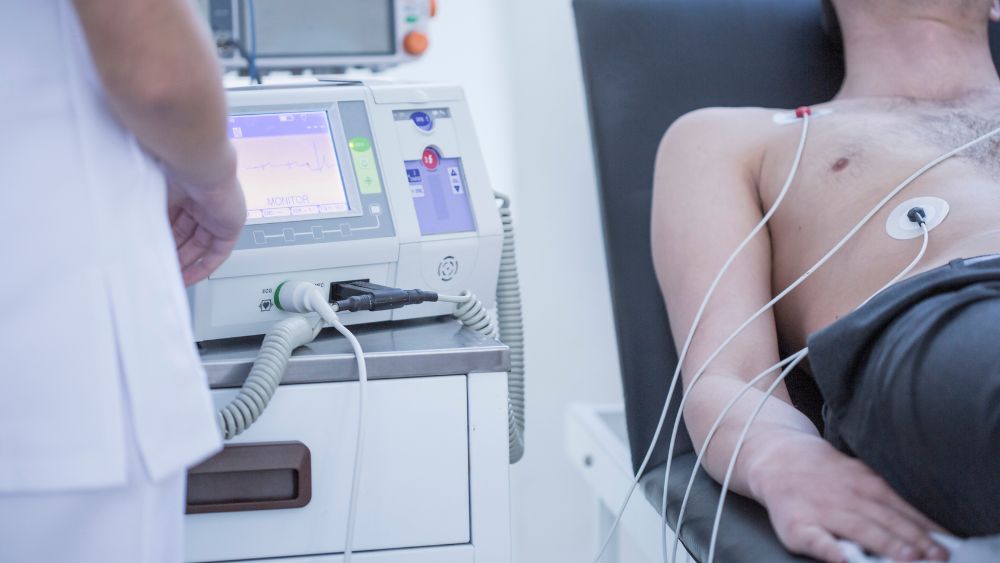
An ECG records the electrical activity of the heart and helps assess cardiac health.
It Helps Detect:
- Irregular heart rhythms
- Previous heart attacks
- Coronary artery disease
- Enlarged heart chambers
- Cardiac conduction abnormalities
Individuals with chest pain, hypertension, or a family history of heart disease can particularly benefit from this screening.
Blood Pressure Assessment
Blood pressure measurement is a routine but essential component of a complete health evaluation.
It Helps Identify:
- Hypertension (High Blood Pressure)
- Hypotension (Low Blood Pressure)
Uncontrolled hypertension can increase the risk of heart attacks, strokes, kidney disease, and vision problems. Regular monitoring allows early intervention and better management.
Vitamin and Mineral Deficiency Tests
Many comprehensive health packages now include nutritional assessments.
Common Nutrients Evaluated:
- Vitamin D
- Vitamin B12
- Iron
- Calcium
Symptoms of Deficiency May Include:
- Fatigue
- Muscle weakness
- Bone pain
- Poor immunity
- Tingling sensations
Identifying deficiencies early allows appropriate dietary changes and supplementation.
Chest X-Ray
A chest X-ray may be included in advanced health screening packages.
It Helps Evaluate:
- Lung infections
- Tuberculosis
- Heart enlargement
- Chronic lung diseases
- Structural abnormalities in the chest
This imaging test provides valuable information about respiratory and cardiovascular health.
Ultrasound Examination

An abdominal ultrasound allows doctors to examine internal organs using sound waves.
Commonly Assessed Organs:
- Liver
- Gallbladder
- Kidneys
- Pancreas
- Spleen
- Urinary bladder
Conditions It May Detect:
- Fatty liver disease
- Gallstones
- Kidney stones
- Organ enlargement
- Cysts and tumors
Ultrasound scans are useful for identifying structural abnormalities and monitoring organ health.
Also Read:-
Top 10 Blood Tests Everyone Should Do
Is a Blood Pregnancy Test Possible at Home?
When Should You Get a Full Body Checkup?
Frequently Asked Questions
What is included in a full body checkup?
A full body checkup generally includes blood tests, blood sugar screening, cholesterol testing, liver and kidney function tests, thyroid profile, urine analysis, ECG, blood pressure assessment, and sometimes imaging tests such as ultrasound and chest X-rays.
How often should I undergo a full body checkup?
Most healthy adults should undergo a health screening once every year. Individuals with existing medical conditions may require more frequent evaluations based on their doctor's recommendation.
Is fasting required before a full body checkup?
Yes. Fasting for 8–12 hours is often recommended before blood sugar and lipid profile testing.
How long does a full body checkup take?
Most comprehensive health screening packages can be completed within two to four hours, depending on the tests included.
Conclusion
A full body checkup is one of the most effective ways to monitor your overall health and detect potential medical conditions at an early stage. From evaluating blood health and blood sugar levels to assessing liver, kidney, thyroid, and heart function, these tests provide a comprehensive overview of your well-being.
Regular preventive screenings support early diagnosis, timely treatment, and better long-term health outcomes. If you are looking for a reliable full-body checkup or a trusted health checkup in Siliguri, choose a diagnostic centre staffed by experienced healthcare professionals and equipped with advanced diagnostic facilities.
Early detection can make a significant difference in protecting your health and improving your quality of life. Book your health checkup today.
Medical Disclaimer:- This article is for educational purposes and was reviewed by healthcare professionals at Ganapati Health Care, Siliguri.


